
Reflecting on Inclusion, Impact and Innovation: Highlights from the NIHR GM PSRC January 2026 Team Day
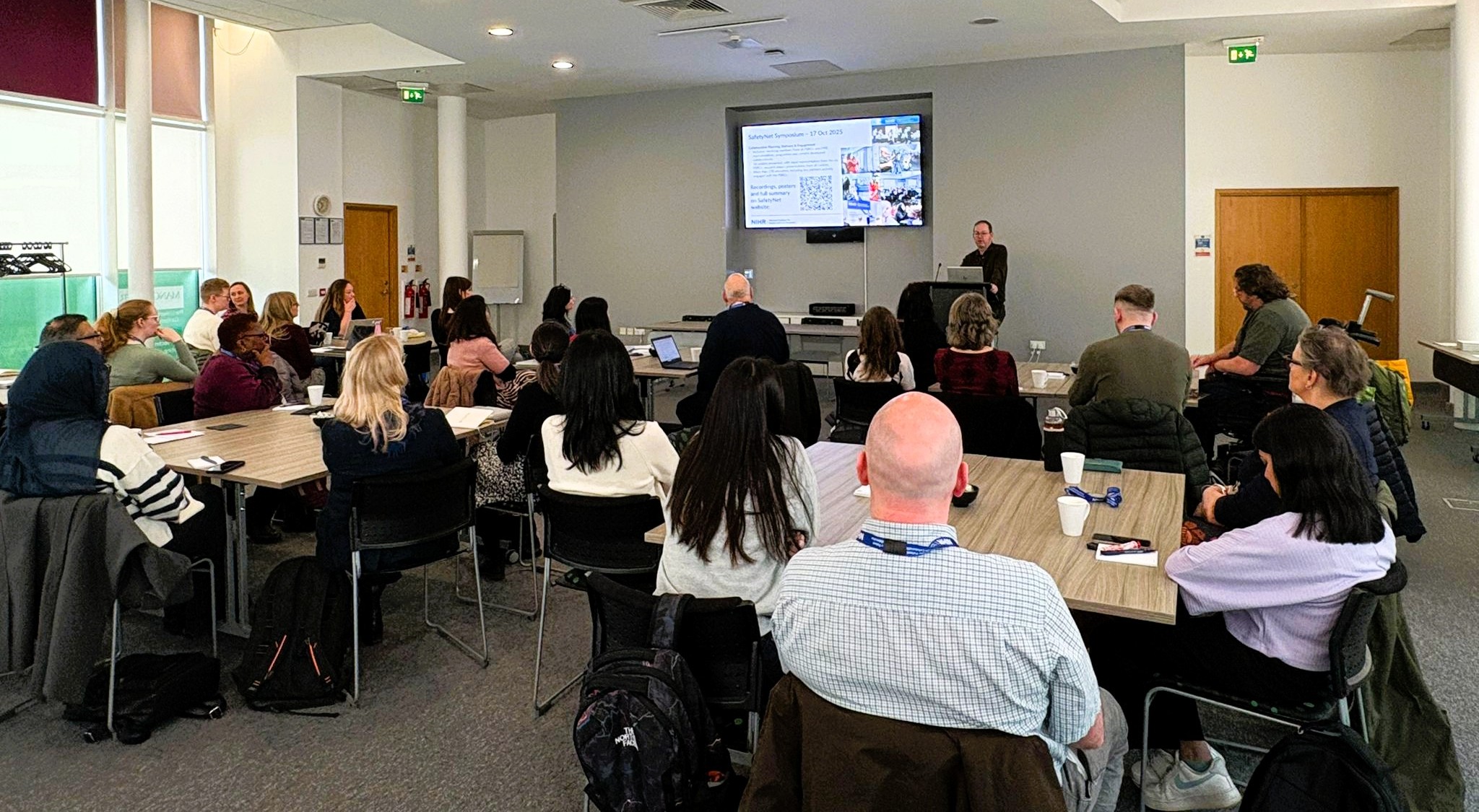
On 15 January 2026, colleagues from across the NIHR Greater Manchester Patient Safety Research Collaboration (GM PSRC) came together for our first team meeting of 2026 – a day shaped by shared learning, thoughtful discussion, and an energising look at the future of patient safety research. Held in a welcoming and collaborative atmosphere, the meeting brought together researchers, public contributors, operational colleagues, students and partners from across our Greater Manchester, Leicester and Nottingham sites.
The January 2026 GM PSRC Team Meeting was a day of connection, shared purpose and genuine energy. From strategic insights to personal stories, methodological depth to practical tools, each session contributed to a richer collective understanding of patient safety and the environments in which it is shaped.
Feedback from attendees reflected a highly positive experience overall, with colleagues valuing the variety of presentations, the openness of the EDI session, and the opportunity to reconnect with peers across our sites.
Below is a reflection on the themes, conversations and ideas that shaped the day.
LGBTQIA+ Awareness and Research Inclusion
A powerful and highly praised session invited attendees to reflect on LGBTQIA+ terminology, lived experiences and inclusive research practice. The session was designed and delivered by Kathryn Down (lived-experience public contributor), Coral Leather (Pre-Doctoral Fellow at NIHR ARC-GM and social worker), Dr Louise Gorman (PCIE manager for the NIHR GM PSRC) and Dr Penny Lewis (EDI lead for the NIHR GM PSRC).
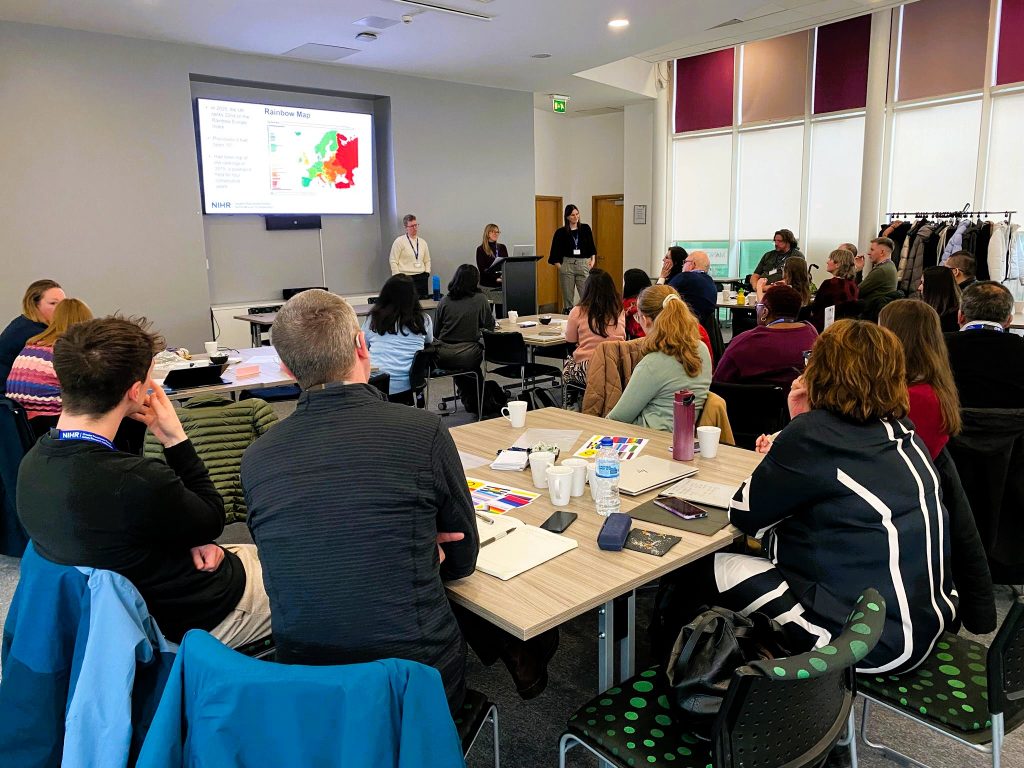
Key messages included:
- The importance of psychological safety and respectful engagement
- Understanding differences between sex, gender identity and attraction
- Using inclusive language, co‑design and sensitive recruitment practices
- Recognising the impact of stigma and improving trust and participation
Interactive activities, real‑world examples and toolkits helped colleagues explore how to embed inclusivity in their work.
Updates from the Academic Career Development (ACD) team
Dr Richard Keers, ACD lead for the NIHR GM PSRC, shared encouraging progress:
- All Year 1-3 milestones reached
- Personalised training plans and a successful cross‑institutional mentoring scheme
- Two rounds of Patient Safety Research Development Award holders now in place
- Strong engagement with NIHR SafetyNet and NIHR Academy activity
- Plans for the 2026 Early Career Researcher Day, focusing on research methods
Future ACD work will strengthen peer support networks, enhance training visibility and improve inclusion across our three regional sites.
Ethnography in Patient Safety
Dr Liz Sutton, researcher at our Enhancing Cultures of Safety theme, explored the value of ethnography in understanding the realities of clinical work:
- Patient safety challenges often represent “wicked problems”
- Policies based on “work as imagined” differ from “work as done”
- Ethnography uncovers hidden work, contextual influences and cultural dynamics
- Insights from studies of escalation, organisational meetings and Martha’s Rule demonstrated how context shapes safety in practice
Economics of Patient Safety
Prof Rachel Elliott, Health Economics Lead at the NIHR GM PSRC, highlighted why economic evidence matters:
- The cost of preventable harm to the NHS reaches several billion pounds annually
- Medication errors alone lead to avoidable admissions, deaths and financial impact
- Economic modelling across GM PSRC themes is helping inform national decisions, including interventions in dementia care, self‑harm prevention and acute kidney injury pathways
PhD Spotlight: Research Journeys
Three of our PhD researchers shared updates:
- Paul Garvey, PhD candidate at the University of Leicester within our Enhancing Cultures of Safety theme, presented on his work: Ethnographic research exploring workload, fear, help‑seeking and patient safety among early career nurses in critical care.
- James Tawse, PhD candidate at the University of Manchester within our Developing Safer Health and Care Systems theme, presented on his work: Qualitative research into burnout, moral injury and patient safety incidents in primary care.
- Jessica Hackney, PhD candidate at the University of Manchester within our Preventing Suicide and Self-harm theme, presented on her work: An overview of work examining personality disorder, self‑harm and patient outcomes.
—————————-
Thank you to all speakers, contributors, facilitators and attendees – and to our public contributors, whose perspectives continue to strengthen our work. We look forward to building on these conversations as we move into an exciting year of research, collaboration and impact.
Related
[related-posts-thumbnails]



The University of Manchester
Oxford Rd
Manchester
M13 9PL
UK
Site hosted by The University of Manchester.
0 Comments