
From Ideas to Impact: Research, Innovation and Collaboration in Action at the NIHR GM PSRC Researcher Networking Day 2026
On 18 June 2026 at the University of Leicester, early- and mid-career researchers, public contributors and patient safety professionals came together for the NIHR Greater Manchester Patient Safety Research Collaboration (GM PSRC) Researcher Networking Day, themed From Ideas to Impact. Building on the success of last year’s Early Career Researcher Networking Day, the event provided an opportunity to explore new methodologies, share ideas and consider how research can create impact to drive meaningful improvements in patient safety.
Looking back and moving forward
The day opened with a welcome from Dr Richard Keers, who reflected on the continued growth of the GM PSRC Academic Career Development programme and how researcher feedback shaped the 2026 Researcher Networking Day alongside other new opportunities for training, networking, peer support and career development.
Beyond AI productivity: critical and human-centred approaches to research
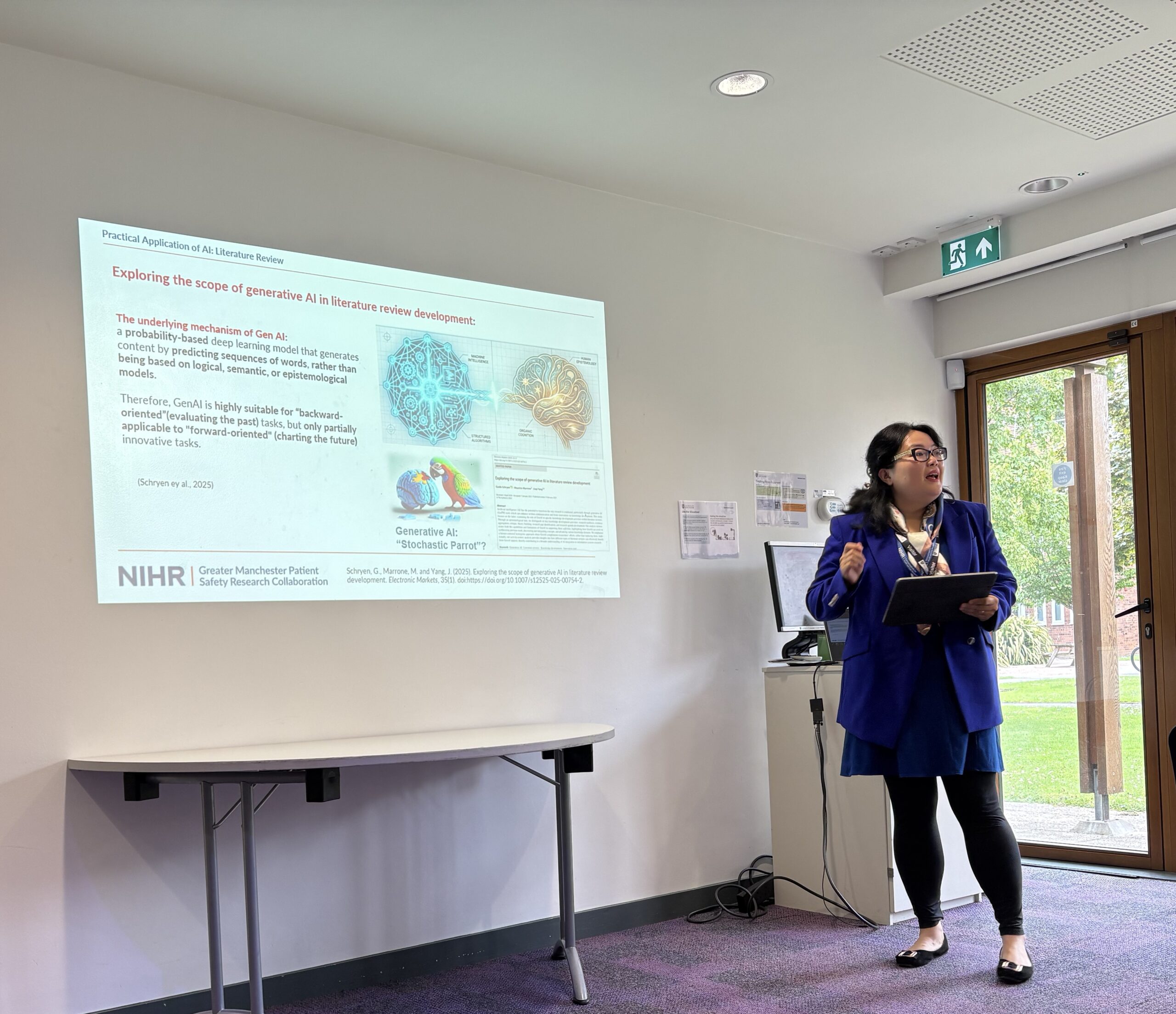
The first session, delivered by Dr Amily Guénier tackled one of the most talked-about topics in contemporary research: artificial intelligence. Rather than focusing solely on the productivity benefits of generative AI, Amily encouraged attendees to think critically about its strengths, limitations and user responsibilities. Participants explored practical applications of AI in literature reviews, academic writing, qualitative analysis and multilingual communication, while also considering important challenges including hallucinations, framing bias, automation bias and cultural limitations.
Creative approaches to patient safety research
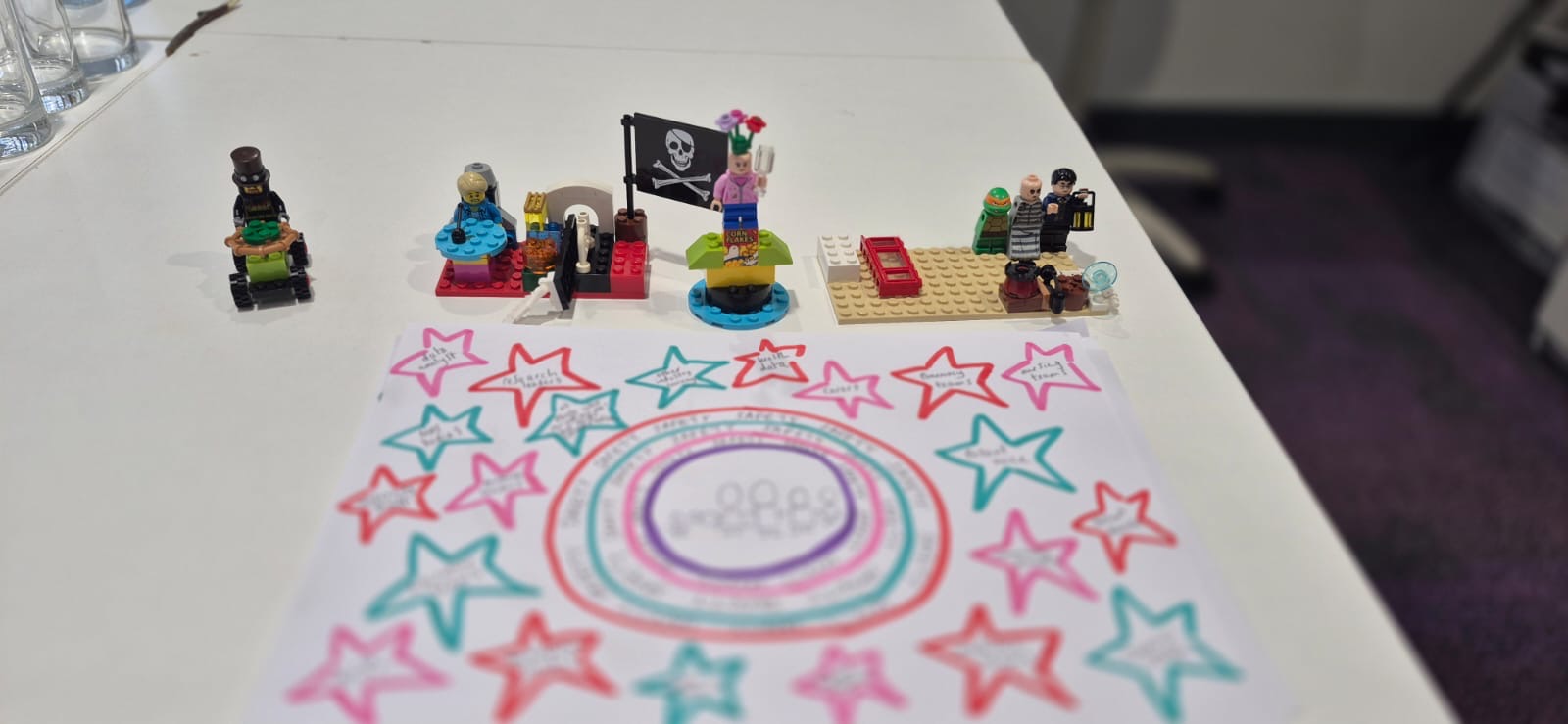
Dr Julie Roberts challenged attendees to think differently about how research is designed, conducted and communicated. Through examples including photovoice, visual elicitation, Lego Serious Play and poetic inquiry, she demonstrated how creative methods can generate rich insights, support inclusion and bring lived experience to the forefront of patient safety research.
Exploring research methods in practice | Parallel sessions
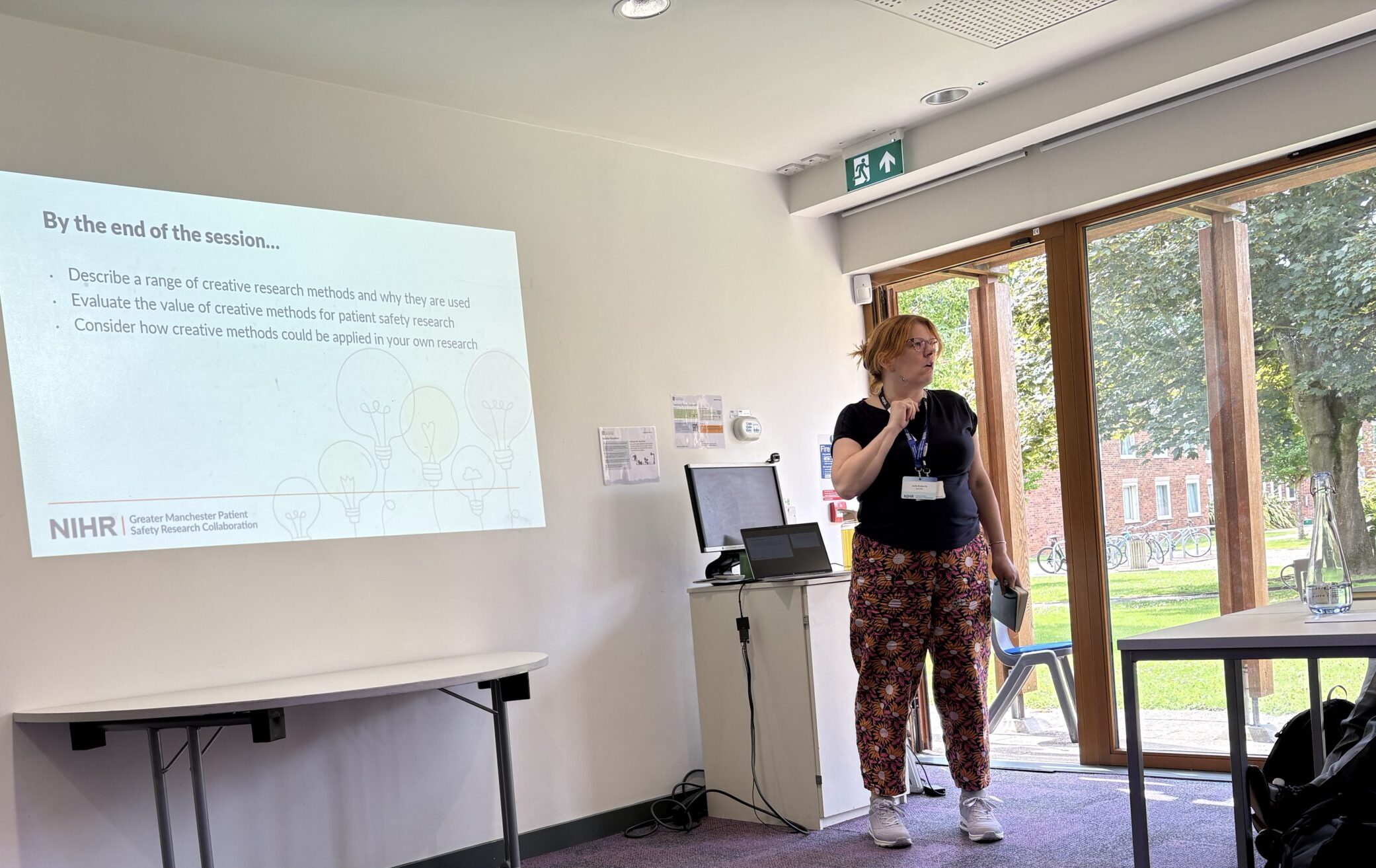
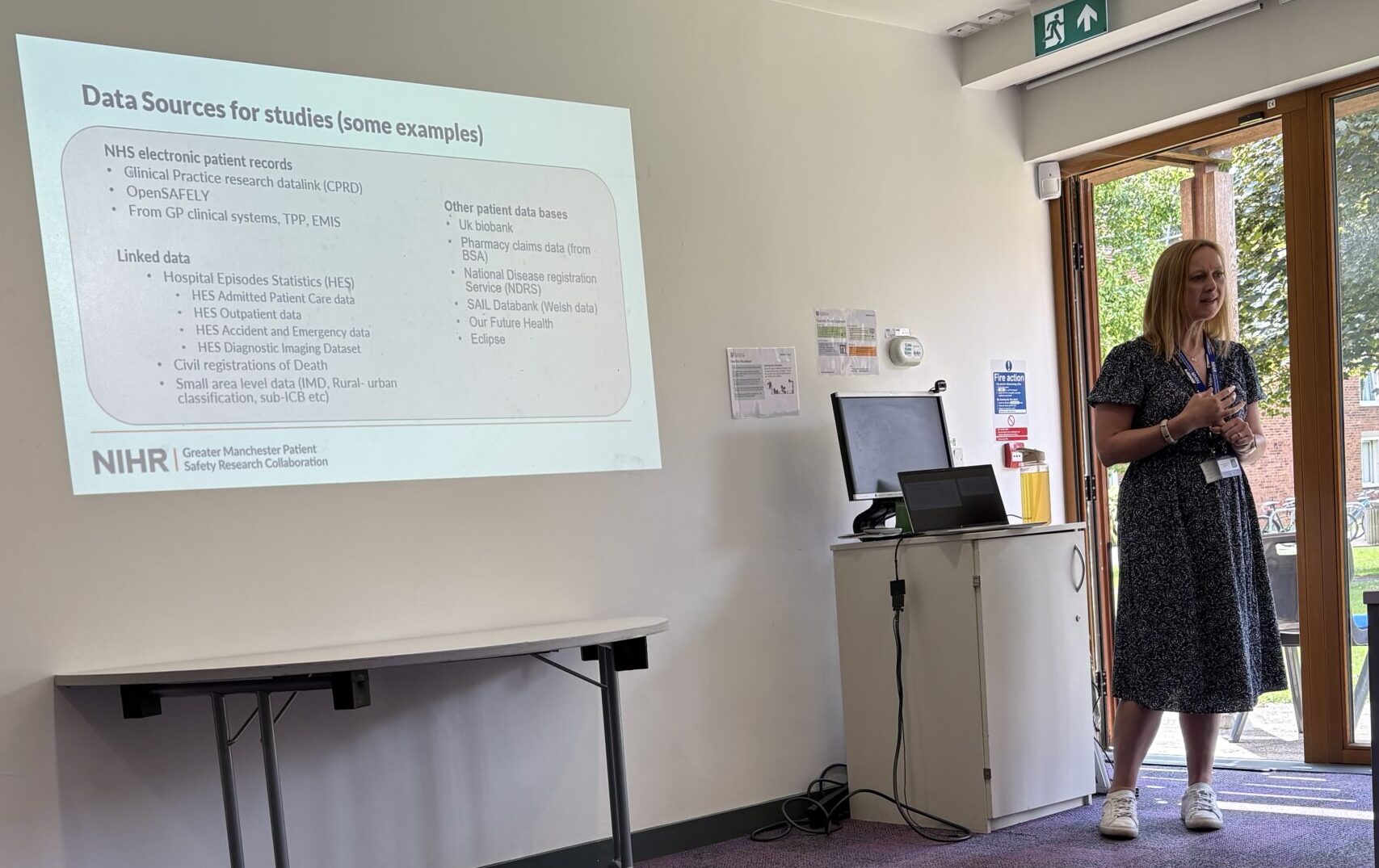
In the quantitative methods session, Dr Amelia Taylor provided a practical introduction to using routine healthcare data in patient safety research. Attendees explored how research questions can be translated into observational studies, covering data sources, coding, cleaning, governance and analysis, and gaining insight into how health data can be used to improve patient safety.
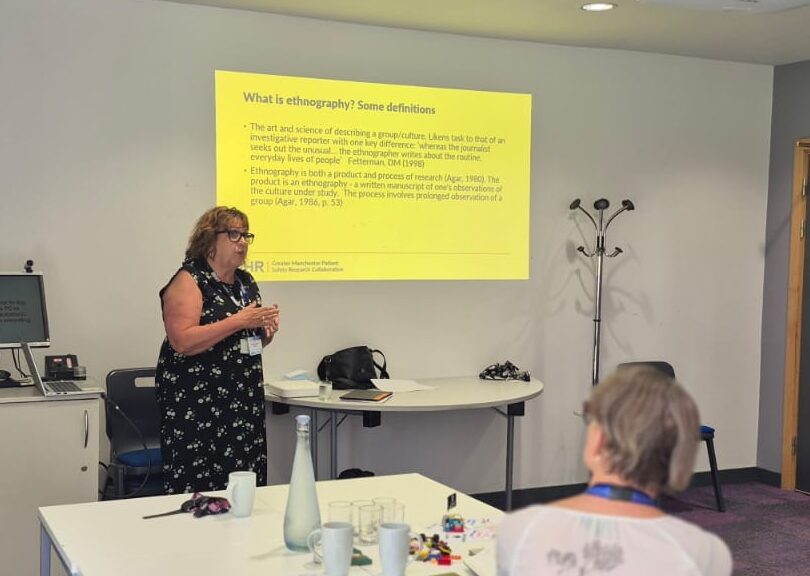
Meanwhile, Dr Liz Sutton introduced ethnography as a powerful approach for understanding the social and cultural factors that influence patient safety. Using real-world examples, Liz showed how ethnographic research helps uncover the gap between “work as imagined” and “work as done”, revealing the hidden practices, relationships and decision-making processes that shape care and safety in healthcare settings.
Working together for safer care
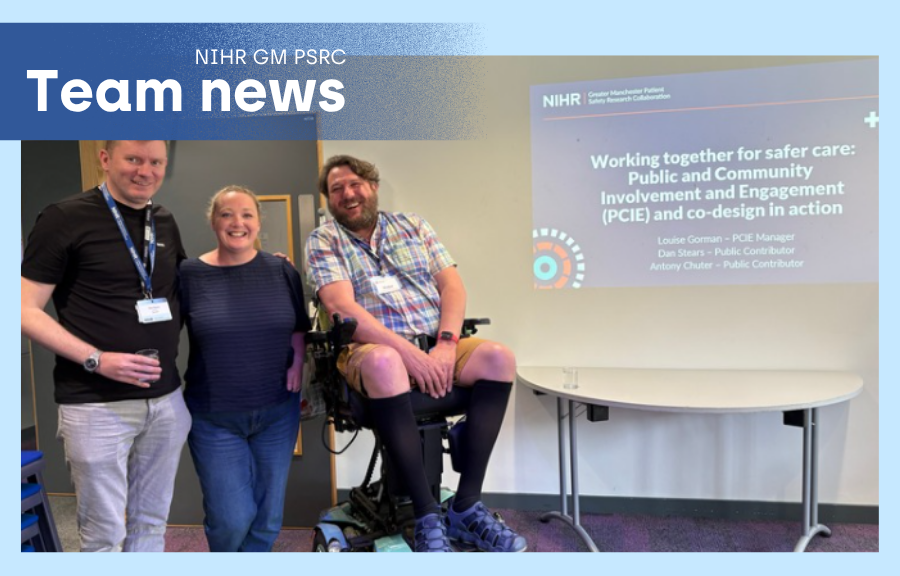
Following lunch, attention turned to one of the foundations of high-quality patient safety research: meaningful public and community involvement and engagement (PCIE). Dr Louise Gorman, alongside public contributors Dan Stears and Antony Chuter, delivered an engaging session exploring co-design and public involvement in action. Attendees considered what meaningful involvement looks like, how to identify and engage the right voices, and how researchers can create safe, inclusive and accessible opportunities for participation.
The session highlighted the value that patients, carers and communities bring throughout the research lifecycle, from developing ideas through to dissemination and implementation. Importantly, delegates also heard directly from public contributors about the realities of involvement and the importance of trust, shared power and genuine collaboration.
Understanding and creating research impact
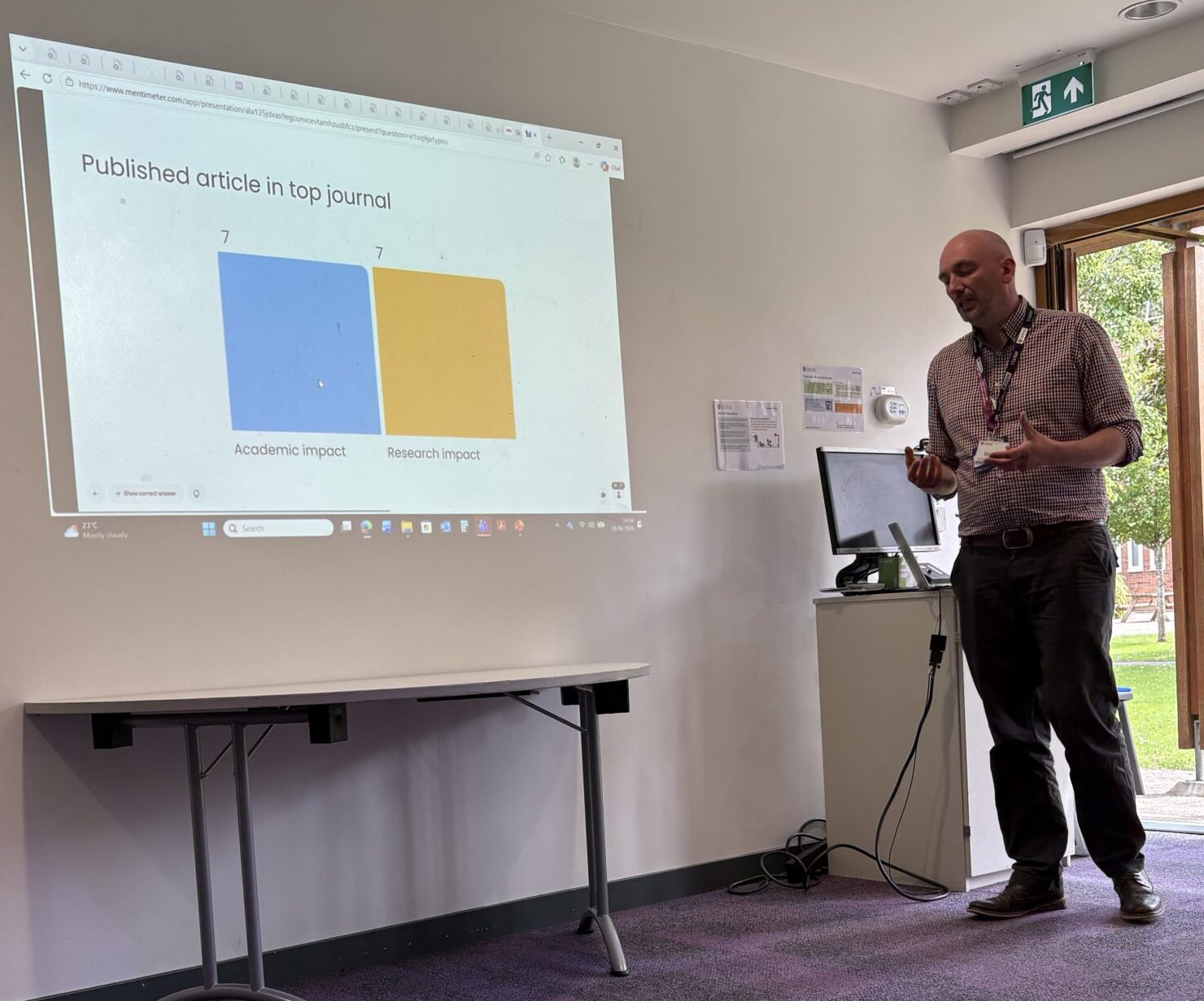
The afternoon concluded with a session focused on one of the most important questions for any researcher: how can research make a difference beyond academia? Dr Richard Keers introduced key concepts around research impact, helping delegates understand the distinction between academic outputs and real-world change. Through practical examples and case studies, attendees explored ways to plan for impact from the outset, engage stakeholders effectively and identify pathways that can help move research into practice.
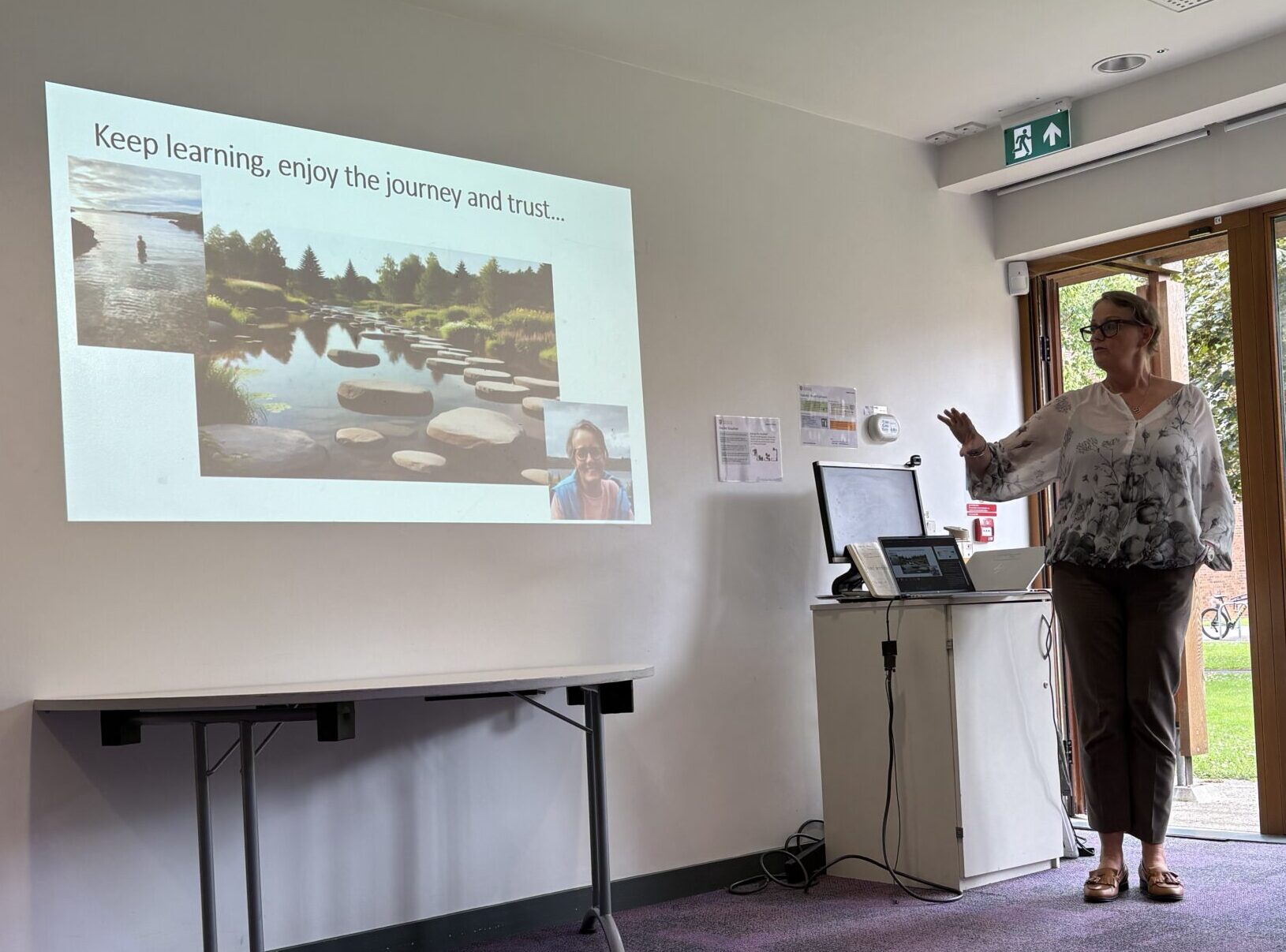
Dr Lisa Riste then shared her own inspiring journey from patient safety research to entrepreneurship. Drawing on the development of FLAG-Me, Lisa demonstrated how research insights can evolve into practical innovations that improve safety and accessibility for patients. Her presentation offered a powerful example of how persistence, collaboration, co-design and innovation can transform research findings into tangible solutions with real-world impact.
Building connections across the patient safety community
A key aim of the event was to create opportunities for researchers to connect. Throughout the day, attendees exchanged ideas, shared experiences and developed new collaborations. These conversations were just as valuable as the formal sessions and reflected the collaborative spirit of the GM PSRC research community.
A huge thank you to all of our speakers, public contributors and attendees for making the day such a success. We look forward to continuing these conversations and supporting the next generation of patient safety researchers as they turn ideas into impact.
Related
[related-posts-thumbnails]



The University of Manchester
Oxford Rd
Manchester
M13 9PL
UK
Site hosted by The University of Manchester.
0 Comments