

Podcast – World Patient Safety Day 2026: Safe care for non-communicable diseases
World Patient Safety Day 2026 focuses on safe care for non-communicable diseases, encouraging communities, health practitioners, organisational leaders and policymakers to work together to develop solutions that address patient safety challenges and reduce harm for people living with long-term conditions.
People living with non-communicable diseases, such as heart disease, stroke, cancer, diabetes and respiratory conditions, often require ongoing care across multiple settings over long periods of time and across the life course. This can create multiple points at which safety risks may arise, from prevention and diagnosis through to treatment, long-term management and self-care.
To mark World Patient Safety Day 2026, we interviewed Prof Alarcos Cieza, Head of Management of Noncommunicable Diseases (NCD) at the Department of NCDs and Mental Health at the World Health Organization (WHO), and Prof Maria Panagioti from The University of Manchester and NIHR PSRC: Greater Manchester.
The conversation explores a WHO-commissioned meta-analysis led by Prof Maria Panagioti, which brought together evidence from 63 studies involving around 2.5 million patients across 23 countries. The findings suggest that around one in six patients receiving care for non-communicable diseases experience preventable harm, with medication-related problems being the most common source of harm.
Listen now on:





Meet the guests
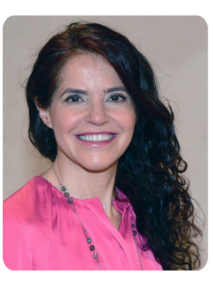
Prof Alarcos Cieza
World Health Organization
Alarcos Cieza is Head of the Management of Noncommunicable Diseases (NCD) Unit at the Department of NCDs and Mental Health of the World Health Organization. In this role, she provides strategic leadership, management supervision and overall direction to WHO’s work on management of NCDs and integrated service delivery. Prior to this role she led the World Health Organization’s work on vision, hearing, disability and rehabilitation in her position of Unit Head, Sensory Functions, Disability and Rehabilitation. Before joining WHO in September 2014, she served as Chair and Professor of Medical Psychology at the Faculty of Social and Human Sciences at the University of Southampton in the United Kingdom and led a research unit for over ten years at the Department of Physical Medicine and Rehabilitation and the Pettenkofer School of Public Health at the Ludwig-Maximilians-University, Munich, Germany. Originally from Spain, she moved to Germany after her MSc in Psychology where she received further degrees – MPH, Doctorate in Human Biology, and Habilitation in Medical Psychology and Public Health – from the Ludwig-Maximilians-University.

Prof Maria Panagioti
The University of Manchester and NIHR PSRC: Greater Manchester
Maria Panagioti is Professor of Health Services and Mental Health at The University of Manchester. Her research focuses on making health and care safer and more inclusive, particularly in primary care, mental health care and transitions of care. She is especially committed to improving patient safety by supporting workforce wellbeing and creating safer working environments for health and care professionals. Maria leads NIHR-funded and global health research programmes and works closely with patients, carers, communities, health professionals and policymakers to turn evidence into practical improvements in care. She has published more than 160 peer-reviewed papers in leading medical journals. Her research has informed WHO and NICE guidance and led to multiple NIHR signals. She is also committed to supporting the next generation of researchers and building inclusive, collaborative research partnerships in the UK and internationally.
Key papers:
Global burden of preventable medication-related harm in health care: a systematic review
Voices for Safety Podcast
Join us as we delve into the latest issues and breakthroughs in patient safety research in England.

Ways we are supporting safer care for non-communicable diseases
The six NIHR Patient Safety Research Collaborations (PSRCs) are committed to improving patient safety and addressing health inequalities, including tackling challenges faced by patients with non-communicable diseases. Across the range of research projects being undertaken by the six NIHR PSRCs in England, there are many different ways that researchers are supporting safer care for people living with long-term conditions, from cancer and cardiovascular disease to respiratory conditions and kidney disease.
Below are two projects from the NIHR PSRC: Greater Manchester, highlighted on SafetyNet’s blog on World Patient Safety Day, showcasing some of the work PSRCs are doing to support safer care for people with non-communicable diseases.
Improving cancer care for people with learning disabilities
NIHR PSRC: Greater Manchester

Cancer is one of the main non-communicable diseases and is the second leading cause of NCD-related deaths after cardiovascular diseases.
A large-scale study supported by the NIHR PSRC: Greater Manchester explored a critical patient safety issue: the inequalities people with learning disabilities face when accessing cancer care.
Researchers examined cancer care pathways across a range of cancers. The findings show that people with learning disabilities are less likely to be referred for specialist tests, more likely to be diagnosed at a later stage, and around half as likely to receive treatment, resulting in much shorter survival times.
The research highlights the urgent need for more inclusive and accessible healthcare systems, and the importance of ensuring everyone can receive timely, effective and safe cancer care.
Explore more:
Podcast: Unequal cancer care for people with a learning disability in the UK | Voices for Safety
Substandard bowel cancer care for people with learning disability highlighted
NIHR-funded study reveals inequalities in men with learning disabilities and prostate cancer
Study funded by the NIHR GM PSRC exposes cancer care deficit for patients with learning disabilities
Targeting acute kidney injury to improve patient safety
NIHR PSRC: Greater Manchester

Acute kidney injury (AKI) is a common condition in which the kidneys suddenly stop working properly, often as a complication of severe illness or major surgery. Even after leaving hospital, people who have experienced AKI remain at increased risk of serious health problems, including further kidney injury, chronic kidney disease and emergency hospital readmission.
Researchers supported by the NIHR PSRC: Greater Manchester analysed the healthcare records of more than 209,000 patients in England who had been discharged from hospital after an episode of AKI.
The study found major gaps in follow-up care after discharge, including low rates of AKI recording in primary care and missed opportunities for recommended kidney health tests. The findings highlight the need for better communication between hospital and community services to improve patient safety and long-term outcomes.
Read more: Major gaps in follow-up care after acute kidney injury, study finds




The University of Manchester
Oxford Rd
Manchester
M13 9PL
UK
Site hosted by The University of Manchester.
Recent Comments